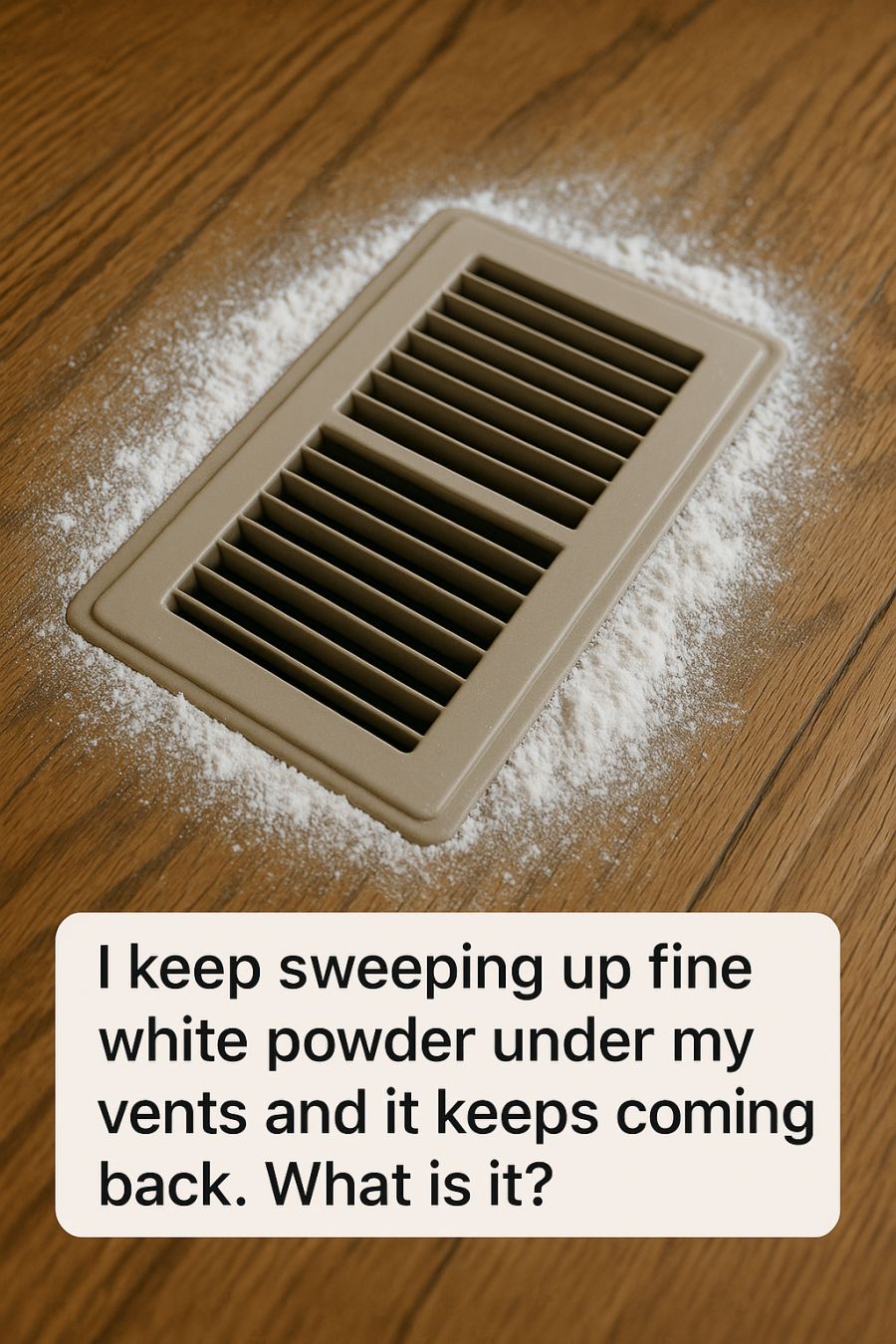
While many cases of fine white dust are harmless, it's important to consider more serious possibilities. Household dust is a mix of various particles, including skin cells, hair, and fabric fibers, which are generally non-toxic. However, if the dust is accompanied by unusual symptoms such as persistent coughing, respiratory irritation, or allergic reactions, it may warrant further investigation.
Potentially harmful sources of dust can include mold spores, chemical residues from cleaning products, or hazardous materials like asbestos. Conducting air quality tests or consulting with professionals can help determine if the dust in your home poses any health risks.
7. Ruling Out Dangerous Sources: Asbestos, Mold, and Pest Activity
It's crucial to rule out dangerous sources of fine white dust, such as asbestos, mold, and pest activity. Asbestos fibers, which can be hazardous to health, might be present in older homes with outdated insulation materials. If you suspect asbestos, it's essential to have a professional assessment conducted immediately.
Mold can also produce fine particles and spores that appear as white dust. Check for signs of moisture or water damage near vents, and consider a mold inspection if you suspect this is the cause. Additionally, pest activity, such as the presence of insects or rodents, can lead to debris that resembles dust. Inspect for droppings or nests that might indicate pest issues.
8. The Viral HVAC Filter Hack—and Why It Might Be Making the Dust Worse
Recently, a viral hack involving the use of multiple HVAC filters has gained popularity, claiming to improve air quality. However, this method can inadvertently exacerbate dust problems. Doubling up on filters or using filters with overly high MERV ratings can restrict airflow, leading to increased pressure on the system.
This pressure can cause existing dust and particles to dislodge from duct surfaces, contributing to the accumulation of fine white powder around vents. It's important to choose filters that are appropriate for your HVAC system's specifications to avoid causing more harm than good.
9. Simple At-Home Tests vs. When to Call an HVAC Pro or Lab
Homeowners can perform simple tests to identify the source of fine white dust. Start by collecting a sample of the dust and examining it under a magnifying glass. Look for characteristics such as color, texture, and composition that might indicate its origin.
If the source remains unclear or if there are concerns about health risks, it's advisable to consult an HVAC professional or a laboratory for more comprehensive testing. Professionals can conduct indoor air quality assessments, inspect ductwork, and identify any hazardous materials that may be present.
10. Repairing or Replacing Deteriorated Duct Liner Safely
If deteriorating duct liner is identified as the source of the dust, repairing or replacing it is essential. This process should be carried out by a qualified HVAC technician to ensure safety and compliance with local regulations.
The technician will assess the extent of the damage and recommend appropriate solutions, which may involve replacing sections of ductwork or applying new liner materials. Addressing this issue not only resolves the dust problem but also improves the overall efficiency and longevity of the HVAC system.
11. Cleaning Up the Existing Dust Without Blowing It Back Into the Air
Cleaning up fine white dust without reintroducing it into the air requires careful techniques. Use a vacuum cleaner equipped with a HEPA filter to capture as much dust as possible without releasing particles back into the environment.
For surfaces around vents, a damp microfiber cloth can effectively trap dust without spreading it. Regular cleaning and maintenance of HVAC components, such as vents and filters, also help minimize dust buildup and maintain good indoor air quality.
12. Long-Term Fixes: Sealing, Upgrading Ductwork, and Improving Filtration
see the continuation on the next page