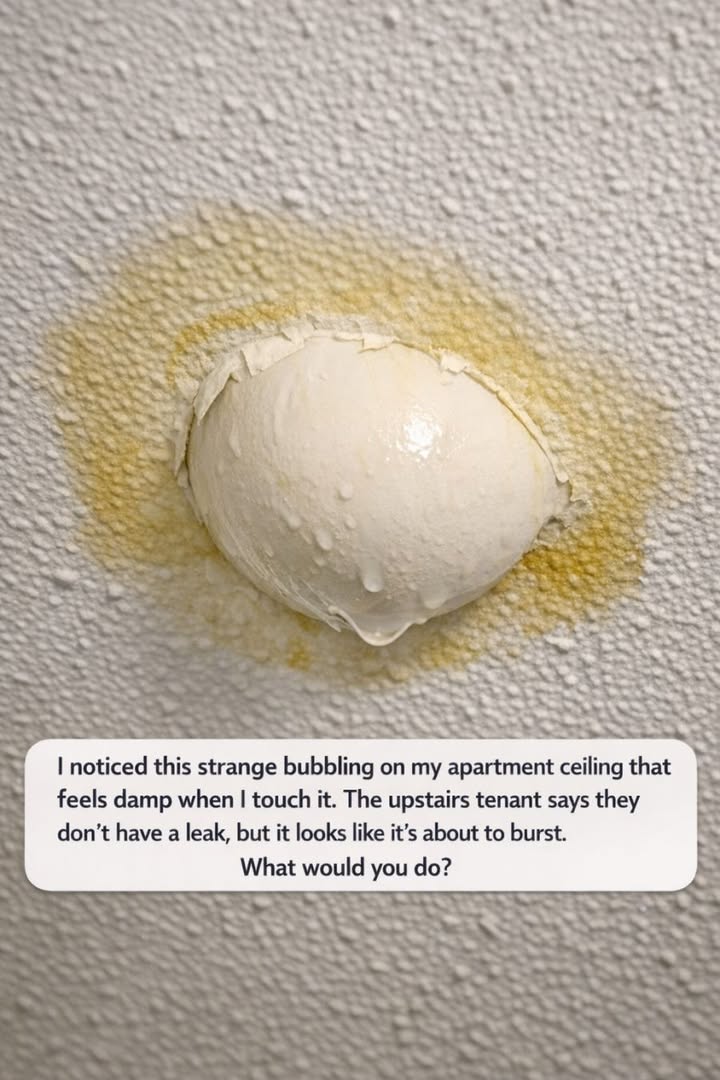
Inform your landlord or property manager about the situation as soon as possible. Provide them with the documentation you have collected and explain the steps you have taken to contain the damage. It's their responsibility to ensure that the property is maintained and safe for tenants.
Prompt communication can expedite the repair process, preventing further damage and ensuring that the issue is addressed by qualified professionals. Follow up your conversation with an email summarizing the discussion to have a written record of your communication.
8. Call In Building Maintenance Or A Licensed Plumber
If your landlord or property manager does not respond promptly, or if the situation seems to be worsening, consider contacting a licensed plumber or building maintenance directly. A professional can assess the source of the leak and provide the necessary repairs to prevent further damage.
Make sure to inform your landlord or property manager about any professional services you contact, as they may have specific protocols or agreements with certain service providers. Keep all receipts and records of services rendered for future reference.
9. Understand Who Pays: Renters’ Rights, Insurance, And Liability
Determining financial responsibility for repairs and damages can be complex. Generally, landlords are responsible for maintaining the structure and plumbing of the property. However, any damage to personal property is typically the tenant's responsibility, unless negligence can be proven.
Review your lease agreement and renters' insurance policy to understand your coverage. Renters' insurance may cover damage to your belongings, but it's crucial to know the specifics of your policy. In some cases, your landlord's insurance may cover the repairs to the building itself.
10. Watch For Mold, Structural Issues, And Hidden Damage
Even after the immediate issue is resolved, continue to monitor the affected area for signs of mold, which can develop within 24 to 48 hours after water exposure. Mold can pose serious health risks, particularly to those with respiratory issues or allergies.
Look for any signs of structural damage, such as cracks or sagging, which may indicate broader issues within the building. If you notice any concerning signs, report them to your landlord or a professional immediately to prevent further complications.
11. What To Do Next Time You Spot Early Signs Of A Ceiling Leak
Prevention is the best strategy when it comes to ceiling leaks. Regularly inspect your ceiling for any early signs of moisture, such as discoloration, warping, or small bubbles. Addressing these issues early can prevent them from developing into larger problems.
Stay informed about your building's maintenance schedule and any potential issues reported by other tenants. Being proactive and maintaining open communication with your landlord and neighbors can help catch potential problems before they escalate.