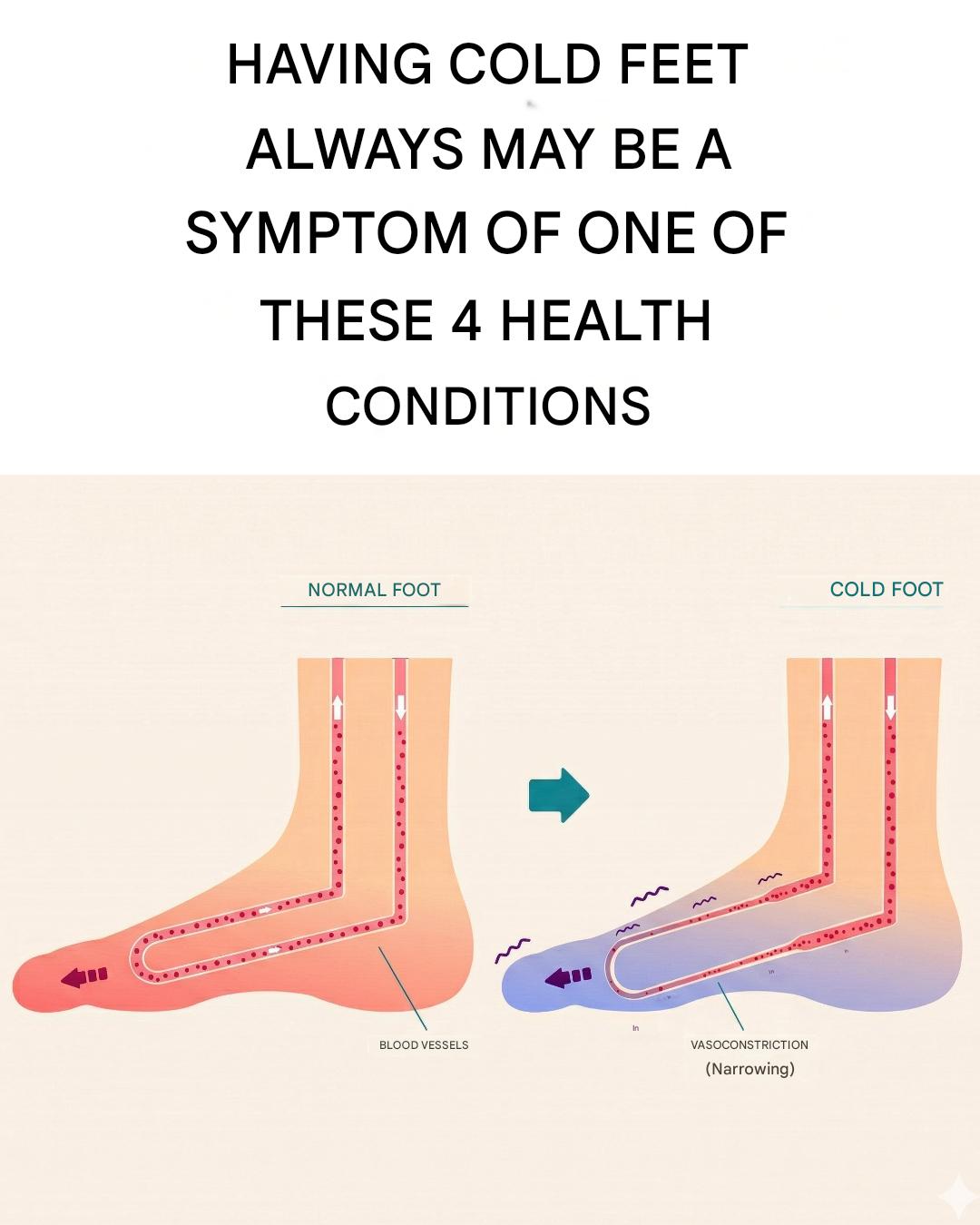
It's no cliché: women tend to have cold feet more frequently than men. But just because it's more common doesn't mean women are the only ones who suffer.
In most cases, the sensation of cold feet is harmless and poses no risk, especially in winter. However, if accompanied by other symptoms, it could be a sign of a health problem.
We'll list the illnesses that could be causing cold feet, along with the precautions and treatments you should take.
Poor circulation
The feet are the extremities furthest from the heart. Therefore, blood has a harder time reaching them, which causes them to have a lower temperature than the rest of the body.
If there is a problem that hinders proper blood circulation, the sensation of cold feet can worsen and also cause other symptoms.
Peripheral arterial disease of the legs
Plaque buildup causes the arteries to narrow and harden, which in turn reduces blood flow to the hands and feet.
People with high cholesterol levels, high blood pressure, or who suffer from heart disease or diabetes are more likely to suffer from this condition. Other symptoms include fatigue and muscle pain in the feet and legs, even when resting.
Raynaud's phenomenon
This is a blood vessel disorder that affects the fingers and toes. People with this condition experience an overreaction to cold and emotional stress: the vessels temporarily constrict, and insufficient blood flow to these parts of the body.
When this happens, the skin in these areas of the body turns white or bluish, and the fingers become cold and numb. This reaction can last from 10-15 minutes to over an hour. When blood flow stabilizes, the skin turns red and throbbing, tingling, or pain may occur.
Peripheral neuropathy
see the continuation on the next page