My grandpa taught me this trick to fix scratches on wood furniture with 0 effort. Here’s how it works

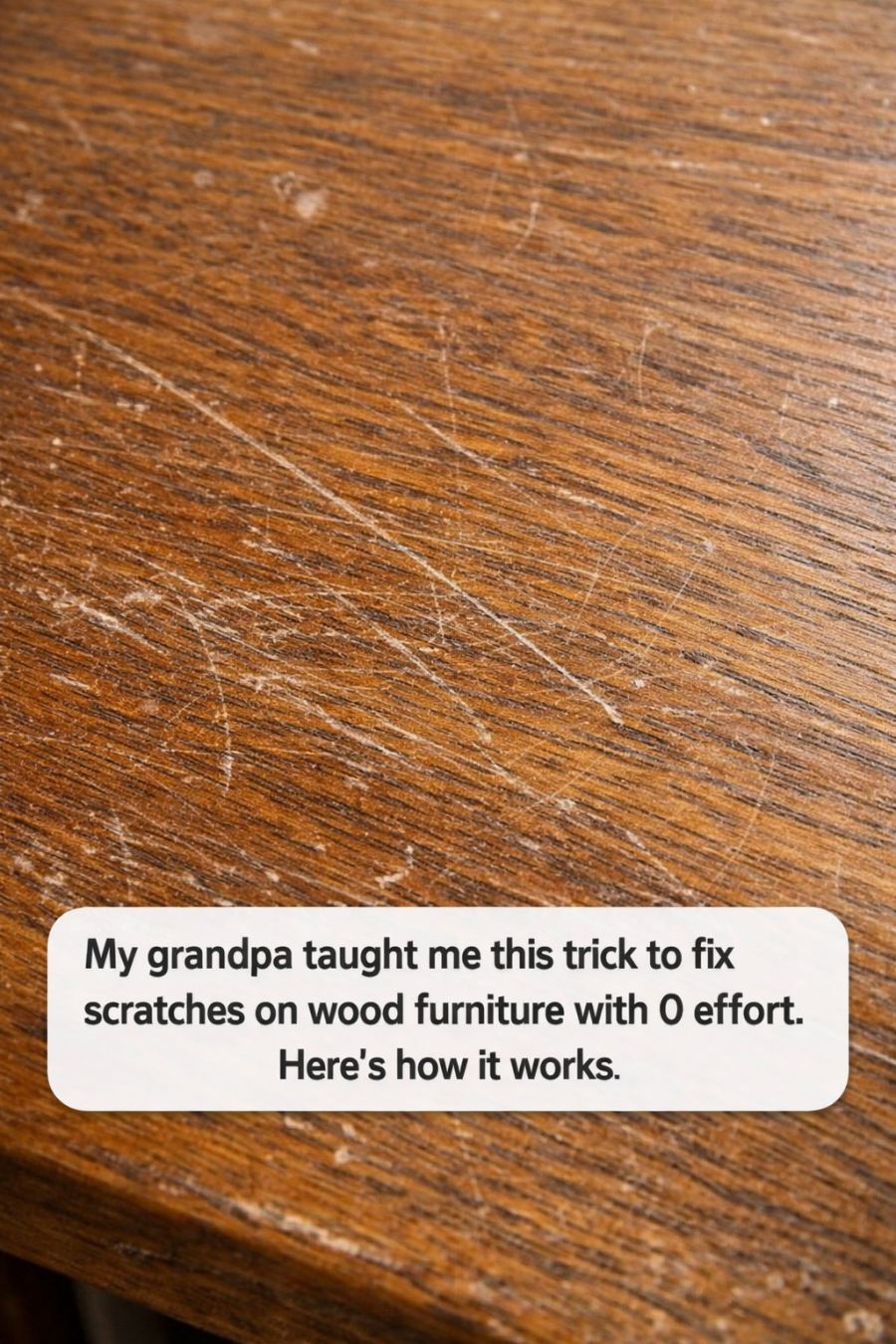
Before applying the olive oil and vinegar mixture, it’s crucial to clean the area around the scratch. Use a damp cloth to wipe away any dust, dirt, or debris that might interfere with the application. This ensures that the mixture can penetrate the scratch effectively.
For deeper scratches, you might want to gently buff the area with a fine-grit sandpaper, but be careful not to damage the surrounding finish. Cleaning the scratch properly sets the stage for the mixture to do its magic.
5. Step 2: Mix Grandpa’s Go-To Scratch-Repair Paste
To create the scratch-repair paste, simply mix one tablespoon of olive oil with one tablespoon of white vinegar in a small bowl. Stir the mixture until it’s well blended. The ratio is crucial; too much vinegar can make the solution too acidic, while too much olive oil might make it too greasy.
This simple paste is the heart of the scratch-fixing method, and its effectiveness lies in its balanced composition, which is gentle yet potent enough to address minor surface scratches.
6. Step 3: Rub It In Once and Let It Do the Work
Dip a soft cloth into the olive oil and vinegar mixture, ensuring it’s not overly saturated. Gently rub the cloth over the scratched area using circular motions. Apply slight pressure to work the mixture into the scratch. This helps the oil penetrate the wood fibers, making the scratch less visible.
Allow the mixture to sit for about 10 minutes. This gives the oil time to soak into the wood and blend the scratch with the surrounding area. There’s no need for intensive rubbing or scrubbing; the mixture does the bulk of the work for you.
7. Step 4: Wipe Away the Excess and Reveal the Repair
After letting the mixture sit, take a clean, dry cloth and gently wipe away any excess oil and vinegar. You’ll notice that the scratch should be significantly less visible, and the wood will have a subtle shine from the olive oil.
Make sure to remove all residue to prevent the wood from becoming sticky or attracting dust. This step reveals the full effect of the repair and leaves your furniture looking refreshed and well-maintained.
8. When This Trick Works Like Magic—and When It Doesn’t