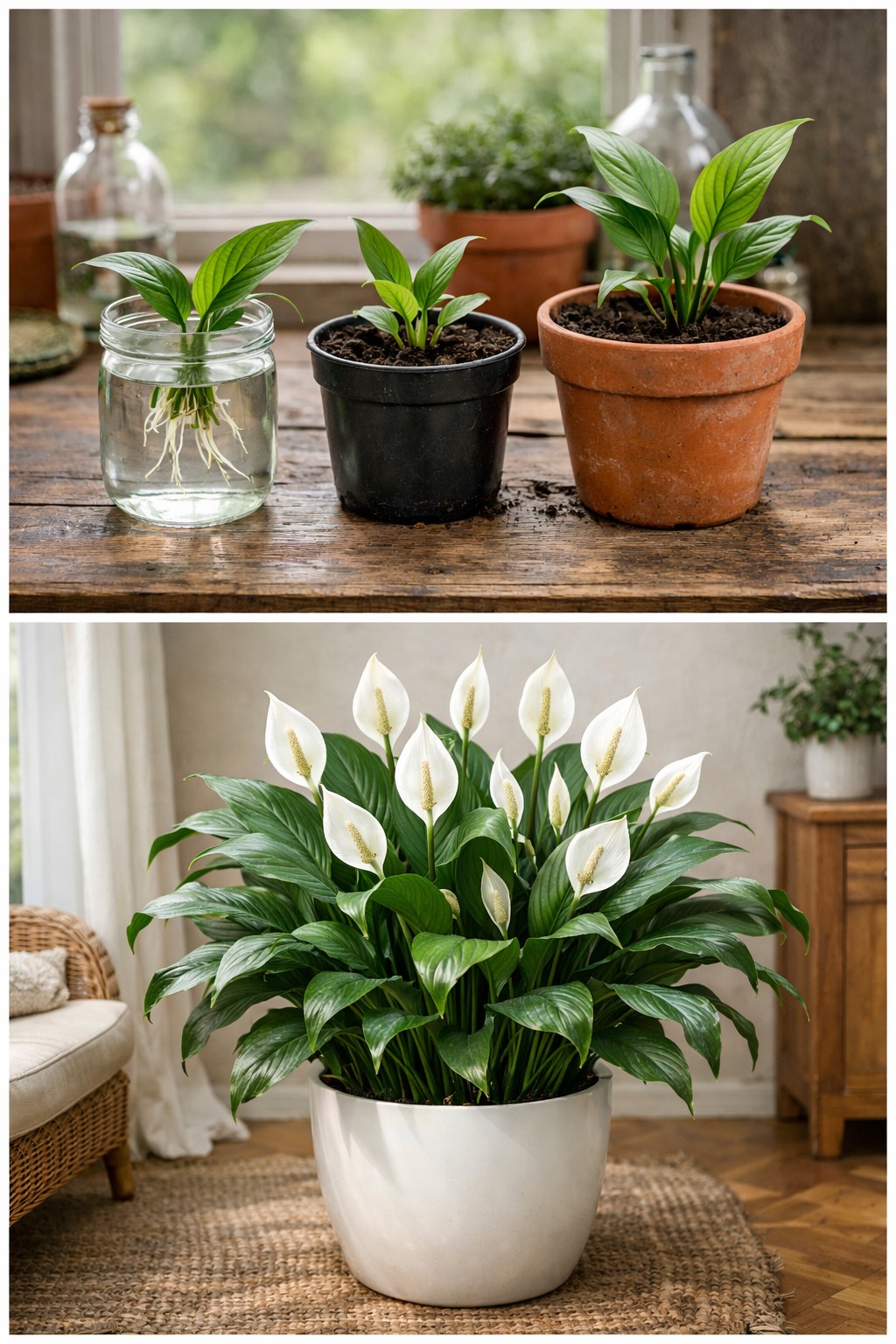
Peace lilies (Spathiphyllum) are cherished houseplants known for their elegant white flowers and glossy green leaves. Their ability to purify indoor air and thrive in low light makes them popular among plant lovers of all experience levels. However, one common challenge many face is getting their peace lilies to bloom continuously.
If your peace lily rarely flowers or its blooms fade quickly, don’t worry — with the right care routine, you can encourage your plant to bloom endlessly and maintain lush foliage year-round. In this article, you’ll discover simple, effective steps to keep your peace lily healthy, vibrant, and flowering beautifully.
Understanding Peace Lily Blooming Cycles
Peace lilies naturally bloom intermittently, with flowers appearing mainly in spring and summer. However, under optimal conditions, they can bloom almost all year round.
Flowering depends on several factors including light, water, nutrients, humidity, and the overall health of the plant. When any of these conditions are not ideal, your peace lily may focus energy on leaf growth alone, producing few or no flowers.
Step 1: Provide the Right Light
Light is one of the most important factors affecting blooming. Peace lilies prefer bright, indirect light — too little light can prevent flower buds from forming, while direct sunlight can scorch leaves.
Place your plant near an east- or north-facing window where it receives filtered light. If natural light is insufficient, fluorescent or LED grow lights can supplement and encourage blooming.
Step 2: Maintain Proper Watering
Peace lilies like their soil to be consistently moist but not soggy. Overwatering can cause root rot, while underwatering stresses the plant, causing leaf yellowing and poor flowering.
Water your peace lily when the top inch of soil feels dry. Use room-temperature water and water evenly around the pot. Avoid letting the plant sit in standing water.
Step 3: Feed Regularly With Balanced Fertilizer
To encourage continuous blooms, your peace lily needs a steady supply of nutrients. Use a balanced, water-soluble fertilizer formulated for indoor flowering plants.
Feed your plant every 6 to 8 weeks during the growing season (spring and summer). Avoid overfertilizing, which can burn roots and harm the plant.
Step 4: Optimize Humidity
Peace lilies thrive in humid environments, similar to their native tropical habitats. Low humidity can cause browning leaf edges and inhibit flower production.
Increase humidity by misting the leaves regularly, placing a humidity tray nearby, or using a humidifier. Grouping plants together also naturally raises moisture levels around them.
Step 5: Prune Spent Flowers and Damaged Leaves
Regularly removing old flowers and yellowing or damaged leaves encourages new growth and prevents disease.
Cut spent flower stalks at the base near the soil. Trim any discolored or ragged leaves to help the plant focus energy on producing new blooms and foliage.
Step 6: Repot When Needed