The Truth About Chicken Color and What It Says About Quality

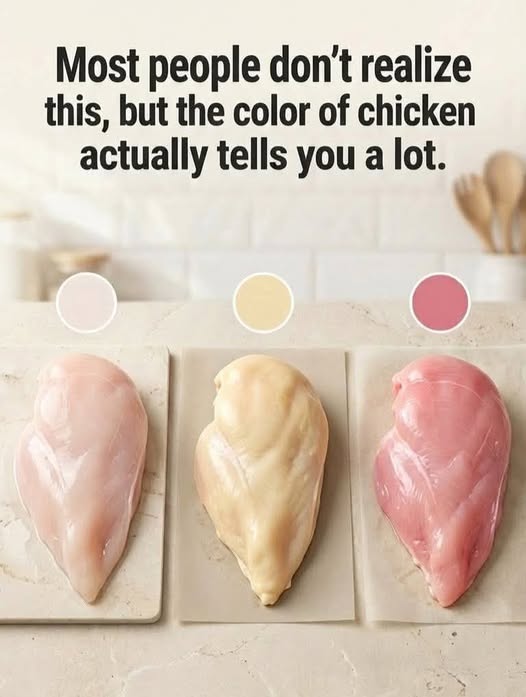
Color can also mislead. Some producers tweak feed solely to create a yellower look, knowing shoppers often equate it with quality. In these cases, appearance reflects marketing more than actual living conditions.
What matters most lies beyond color. Labels such as organic, pasture-raised, or Certified Humane provide a clearer picture of how the animal was raised. They indicate whether the chicken had access to open space, natural diets, and better welfare standards.
Freshness, smell, texture, and flavor remain far more important than shade. Even a pale bird can be high-quality if handled properly, while a bright yellow bird isn’t automatically superior.
There is no single “right” color for chicken. Color is just one clue, not a guarantee of taste, nutrition, or welfare.
Ultimately, the best approach is to read labels carefully, prioritize known standards, and choose based on what matters most to you. The story behind the chicken—how it was raised, fed, and handled—is far more telling than the color on the package.