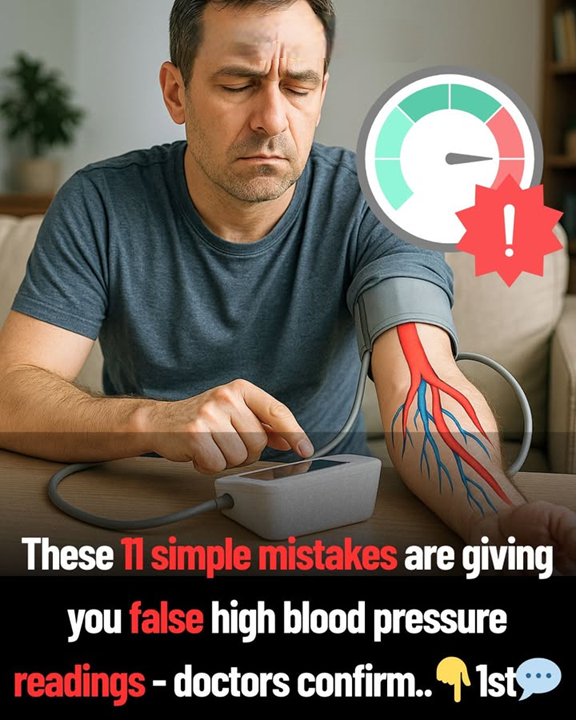
I hate to say it, but there’s a very high chance that you—and maybe even your healthcare provider—are checking your blood pressure incorrectly. It’s a startling thought, but it’s true. We know that just being in a doctor’s office can cause your numbers to spike, a phenomenon called “white coat hypertension,” which can give a completely misleading picture of your health. This is why learning how to measure your blood pressure accurately at home is one of the most powerful and important things you can do for your long-term well-being. An incorrect reading can lead to unnecessary medication or, even worse, a false sense of security when a real problem exists.
In this article, we’re going to walk through the most common mistakes people make when taking their blood pressure. These aren’t minor details; some of these errors can inflate your reading by a staggering 15, 20, or even 30 points. We’ll break down exactly what you’re doing wrong and give you a clear, step-by-step guide to finally get the true, accurate numbers you need to protect your health. (Based on the expertise of Dr. Siobhan Deshauer.)
Key Takeaways
Preparation is Everything: Before you even put the cuff on, you need to rest for at least 5 minutes in complete silence, avoid caffeine for 30 minutes, and make sure your bladder is empty.
Position Matters More Than You Think: You must be sitting in a chair with your back supported, both feet flat on the floor, and your arm propped up so the cuff is level with your heart.
Your Equipment is Crucial: Use a properly sized upper-arm cuff from a device that has been independently validated for accuracy. Wrist cuffs are generally not recommended.