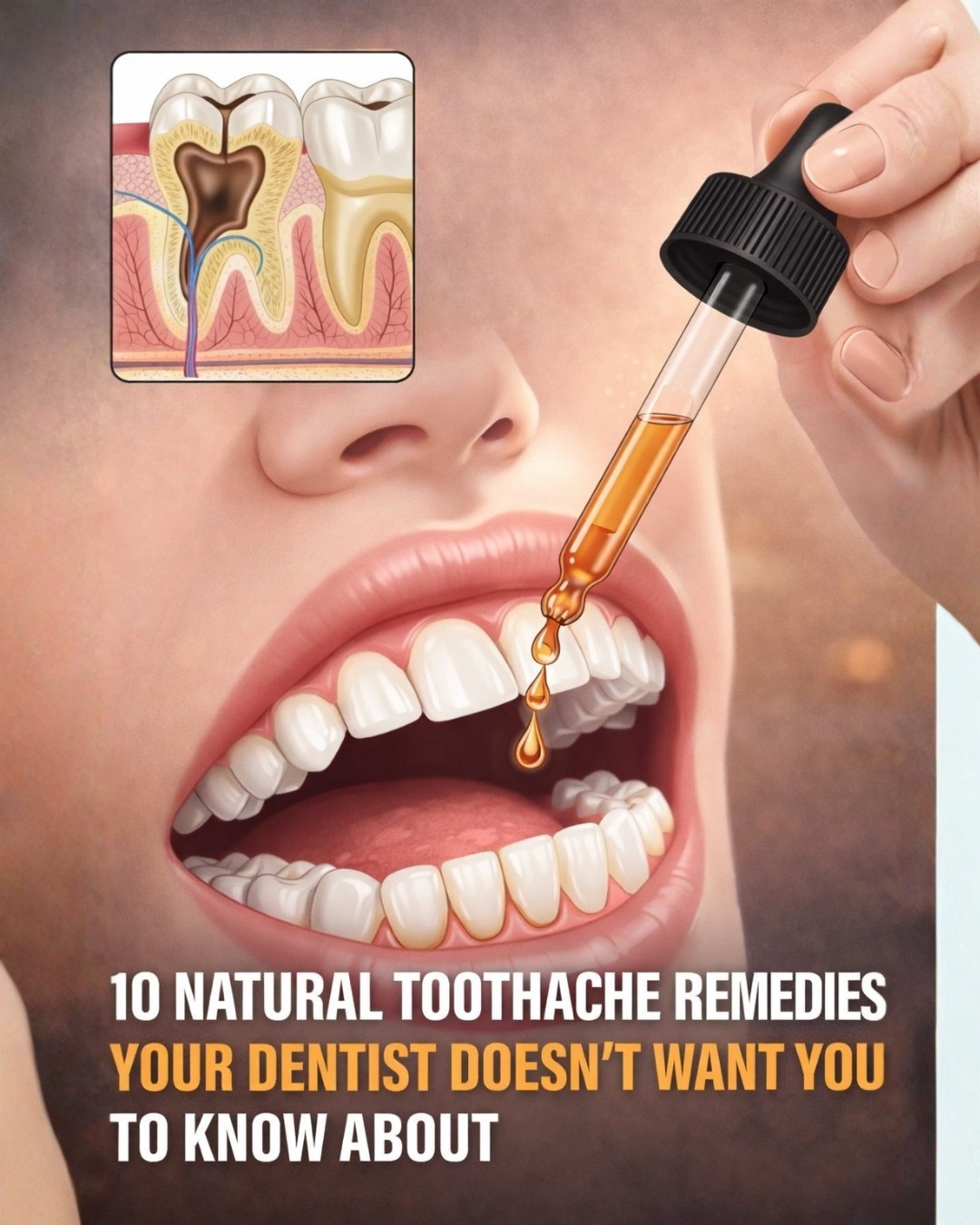
Tooth pain has a way of stopping you in your tracks. Whether it strikes late at night, in the middle of a workday, or while traveling, a toothache can make it nearly impossible to focus on anything else. The throbbing, aching, or sharp stabs of pain can radiate through your jaw and even trigger headaches.
In conventional dentistry, the standard solution is to schedule an appointment for a filling, extraction, or root canal. But many people are searching for gentler, natural ways to manage pain and inflammation while supporting long-term oral health. What’s surprising is that some of these remedies work so well, they’ve been used in traditional medicine for centuries, yet they rarely get mentioned in the dentist’s chair.
This article breaks down the most effective natural remedies for toothache relief, explains why tooth pain has become so common in today’s world, and helps you understand when to treat at home versus when to seek professional care.
Why Toothaches Are So Common Today
Toothaches weren’t always as widespread as they are today. In fact, anthropological studies on ancient skulls show far fewer cavities and oral infections than we see in modern populations (1✓). So what changed?
Dietary shifts: Refined sugar, white flour, and processed foods are major drivers of tooth decay. Oral bacteria feed on these sugars, producing acids that erode enamel and inflame gums (2✓).
Mineral depletion: Industrial agriculture has left our soils, and therefore our food supply, with lower levels of calcium, magnesium, and other minerals essential for strong teeth (3✓).
Chronic stress: Contributes to bruxism (teeth grinding) and jaw clenching, which wear down enamel and increase tooth sensitivity (4✓).
Hidden inflammation: Systemic inflammation, fueled by poor diet and lifestyle, also shows up in gum health and can make tissues more prone to infection (5✓).
These factors combine to make tooth pain one of the most common reasons people seek dental care today.
What Causes Tooth Pain?
Although
Throbbing or stabbing pain, either constant or occasional
Sensitivity to hot, cold, or sweet foods and drinks
Pain when chewing or biting down
Swelling in the gums, cheek, or jaw
Redness or bleeding around the affected tooth
Headaches, earaches, or fever when infection is present
Recognizing these patterns helps you determine whether home remedies may help or whether urgent care is needed.
When to See a Dentist
While natural remedies can provide significant relief, it’s important to know their limits. Some situations require professional evaluation. Delaying care could worsen the problem. Seek a dentist if you experience:
Intense pain that doesn’t improve with home remedies
Swelling in your face, jaw, or neck
Fever, chills, or swollen lymph nodes
Difficulty opening your mouth or swallowing
A toothache that lasts more than a couple of days
For those who want a less invasive approach, finding a holistic or biological dentist is ideal. These practitioners often blend modern techniques with natural, body-friendly options, aiming to preserve the tooth whenever possible.
Why Dentists Rarely Mention Natural Remedies
It’s not that natural remedies don’t work. In fact, many of them are scientifically validated. Clove oil, for example, contains eugenol, which is still used in dental clinics as an antiseptic and numbing agent. Salt water rinses are often recommended after oral surgeries. Yet in everyday practice, most dentists don’t promote natural treatments. Why?
Training bias: Dental school curricula focus heavily on surgical and pharmaceutical interventions.
Standard of care: Dentists must adhere to established procedures for liability reasons, and these don’t usually include natural methods.
Business model: Dentistry, like most healthcare, is procedure-driven. If patients relied heavily on natural remedies, it could reduce the demand for treatments like fillings and root canals.
That said, many holistic dentists do acknowledge the role of diet, lifestyle, and plant-based remedies in maintaining strong teeth and gums. They may not replace professional treatments, but they can absolutely complement them.
10 Natural Toothache Remedies
Here are ten time-tested remedies that can help relieve tooth pain at home:
1. Clove Oil
Why it works: Clove oil contains eugenol, a natural anesthetic and antiseptic still used in dentistry today to numb gums and kill bacteria (6✓).
How to use: Dilute 1–2 drops of clove essential oil in a teaspoon of carrier oil (like olive oil) and apply with a cotton swab to the sore tooth. You can also swish a rinse made with 2–3 drops of clove oil in ¼ cup of water. Avoid swallowing.
2. Salt Water Rinse
Why it works: Salt water reduces inflammation, fights bacteria, and helps draw out infection. It also promotes healing by increasing circulation in the gums (7✓).
How to use: Dissolve 1 teaspoon of sea salt or Himalayan salt in a cup of warm water. Swish around your mouth for 30 seconds and spit out. Repeat 2–3 times per day.
3. Hydrogen Peroxide Rinse
Why it works: Hydrogen peroxide (3%) is antibacterial and helps fight infection while reducing pain and swelling (8✓).
How to use: Mix equal parts 3% hydrogen peroxide and warm water. Swish gently for 30 seconds, then spit out. Do not swallow. Use once or twice daily.
4. Tea Tree Oil
Why it works: This essential oil is a natural antibacterial and antiseptic that can penetrate gum tissue and numb irritated nerves (9✓).
How to use: Dilute 1 drop in a teaspoon of carrier oil and apply to the affected tooth with a cotton swab. Alternatively, add a few drops to a glass of warm water and use as a mouth rinse.
5. Oil of Oregano
Why it works: One of the strongest natural antimicrobials, oregano oil has anti-inflammatory and pain-relieving properties. Some studies suggest its compounds are as potent as synthetic antibiotics (10✓).
How to use: Mix 1–2 drops of oregano oil with a teaspoon of olive oil. Apply with a cotton ball to the painful tooth, or dab gently with a Q-tip. Leave in place for several minutes.
6. Turmeric Paste
Why it works: Turmeric contains curcumin, a powerful anti-inflammatory and antibacterial compound that can help relieve pain and reduce swelling (11✓).
How to use: Mix 1 teaspoon turmeric powder with a few drops of water to make a thick paste. Apply to the sore tooth with a cotton ball and leave for 30–60 minutes.
7. Apple Cider Vinegar
Why it works: Raw, unfiltered apple cider vinegar has antibacterial and anti-inflammatory properties. Its acidity can help kill bacteria contributing to tooth pain (12✓).
How to use: Soak a cotton ball in ACV and press it against the sore tooth for several minutes. Or mix equal parts ACV and water, swish for 20 seconds, and spit out.
8. Ginger-Cayenne Paste
Why it works: Both ginger and cayenne are natural anti-inflammatories. Together, they help reduce swelling, fight infection, and relieve pain (13✓).
How to use: Mix equal parts ginger powder and cayenne pepper with a few drops of water to make a paste. Apply with a cotton ball to the sore tooth (avoiding gums if possible) and leave for as long as tolerable.
9. Peppermint Tea
Why it works: Peppermint contains menthol, which has cooling, numbing, and antibacterial effects that ease tooth pain (14✓).
How to use: Steep 1 teaspoon dried peppermint leaves in a cup of hot water for 20 minutes. Drink as tea while swishing some around your mouth. For stronger relief, dab diluted peppermint oil (2–3 drops in water) directly onto the tooth.
10. Baking Soda
Why it works: Baking soda balances oral pH, reduces bacteria, and helps with swelling and infection (15✓).
How to use: Make a paste of baking soda and water and apply directly to the tooth with a cotton swab. Alternatively, dissolve 1 teaspoon in a glass of warm water and use as a mouth rinse twice daily.
Lifestyle & Prevention Tips
Toothaches are often a symptom of deeper oral health issues. Supporting your teeth naturally helps prevent future pain: