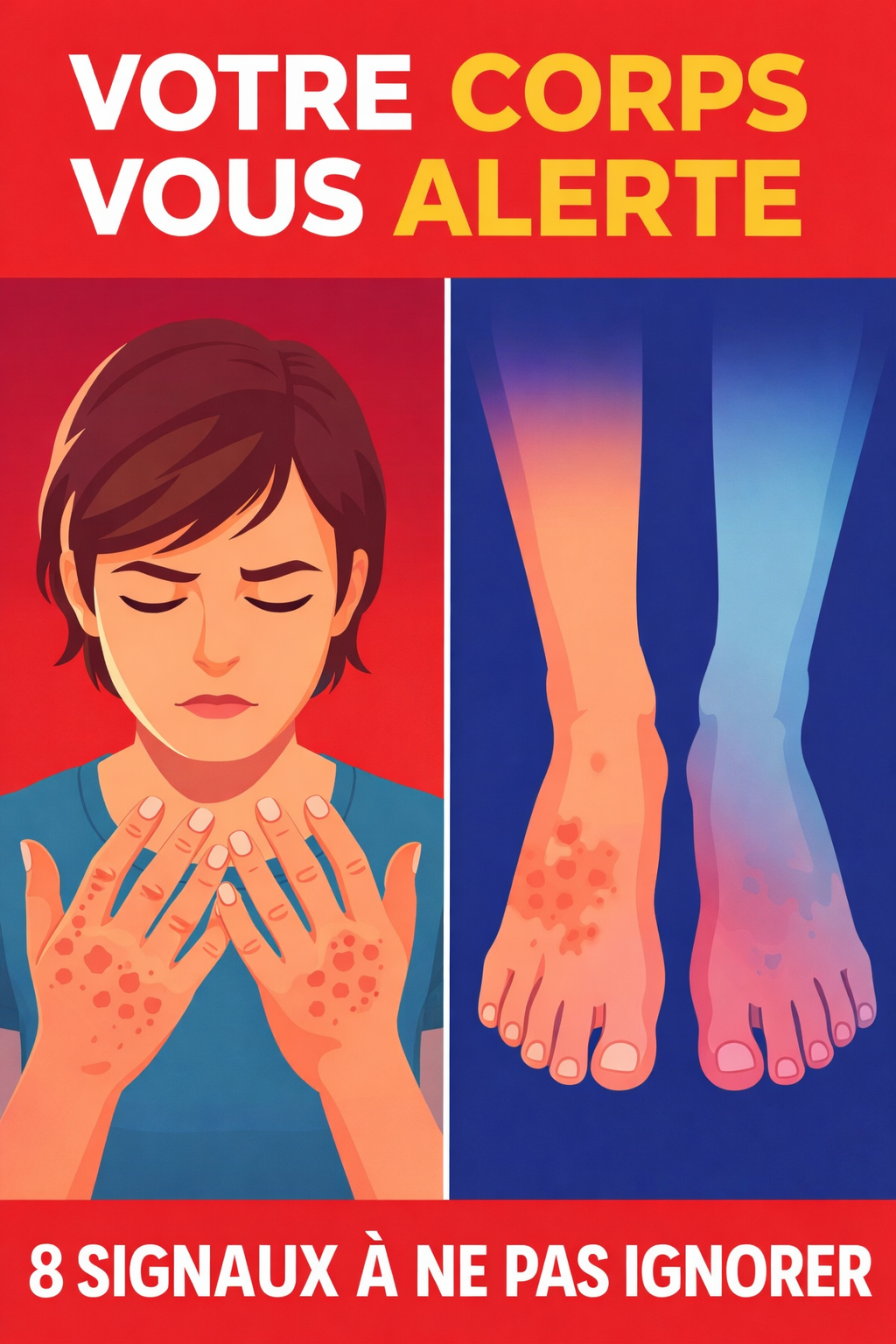
Diabetes was long considered a disease affecting mainly older adults. However, with significant changes in our eating habits and lifestyle—such as diets high in sugar, sedentary behavior, and stress—it now increasingly affects younger people.
Diabetes occurs when blood sugar (glucose) levels become too high. Normally, insulin—a hormone produced by the pancreas—helps glucose enter cells to be used as energy. When the body doesn’t produce enough insulin or doesn’t use it properly, glucose remains in the blood and may appear in the urine.
⚠️ Diabetes doesn’t develop overnight. It progresses gradually over years. Recognizing the early signs allows you to take action and prevent complications.
1. Skin Problems
Diabetes can affect small blood vessels and cause:
-
Persistent dry skin
-
Frequent itching
-
Dark or reddish patches on arms and legs
-
Thickened and rough skin on hands and feet
-
Darkening of skin in folds (neck, armpits, groin), called acanthosis nigricans
These skin changes may be early signs of blood sugar issues.
2. Blurred Vision
Sudden blurred vision or significant changes in eyesight can be a warning sign.
High blood sugar can damage blood vessels in the eyes, leading to complications like diabetic retinopathy, which increases the risk of vision loss.
If your vision changes without an obvious reason, consult a healthcare professional promptly.
3. Constant Hunger
Excessive hunger can occur when the body cannot properly use glucose for energy.
Result: the brain signals hunger even after eating, which can lead to rapid weight gain and create a vicious cycle.
4. Sudden Weight Loss
Conversely, unexplained and rapid weight loss may also be a sign of diabetes.
When the body cannot use glucose, it begins to break down fat and protein for energy, causing significant weight loss.
5. Fatigue and Weakness
Persistent fatigue, even after adequate sleep, may be linked to poor glucose utilization by cells.
Without properly distributed energy, the body slows down, causing:
-
Low energy
-
Muscle weakness
-
Difficulty concentrating
6. Excessive Thirst and Frequent Urination
see the continuation on the next page