A source of valuable minerals and vitamins, chia seeds have antioxidant properties and provide a valuable source of "healthy" polyunsaturated fatty acids. Their consumption promotes intestinal health and the proper functioning of the nervous system. Furthermore, they are recommended for controlling cholesterol and blood sugar levels.

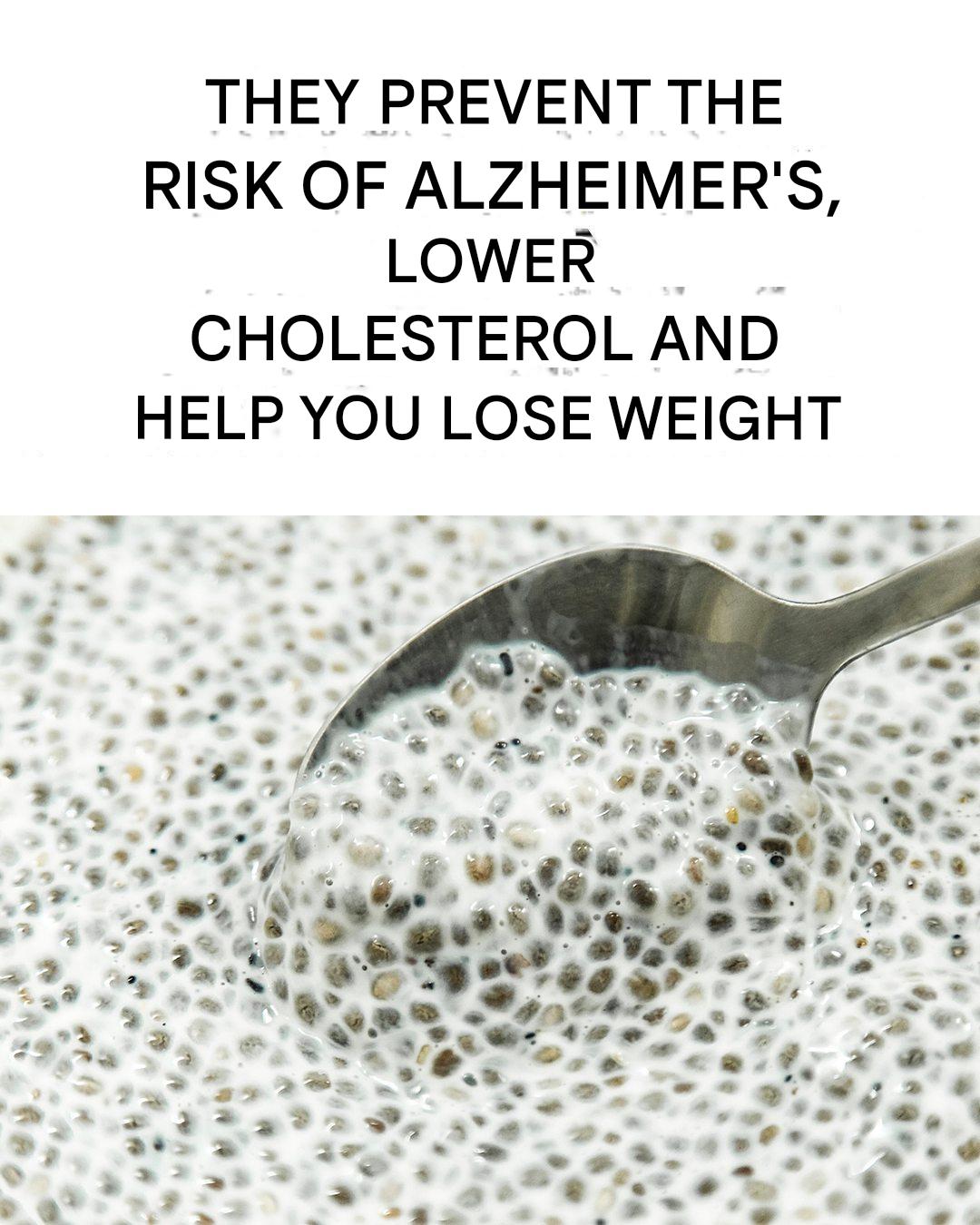
Chia seeds contain a variety of antioxidants: not only ascorbic acid (vitamin C), but also ferulic acid, caffeic acid, and quercetin. This means that consuming them in the right amounts could help maintain youthful skin and counteract the effects of free radicals and thus cellular aging. The presence of B vitamins promotes healthy metabolism. Finally, chia seeds are a good source of calcium, which is beneficial for healthy bones and teeth, and other minerals including phosphorus, magnesium, iron, and potassium.
How many chia seeds should you eat per day?
The daily serving of chia seeds is 15 grams (about 70 kcal). An adult can increase this daily intake to up to 25 grams (about two and a half teaspoons), but you should never exceed 30 grams. They can be included in children's diets, but avoid exceeding 10 grams per day.
How to eat chia seeds
To reap all their nutritional benefits, chia seeds should be eaten raw, added to a dish, such as yogurt or pudding, or to a liquid. They can also be incorporated into soft doughs such as bread, focaccia, savory pies, and even lentil, chickpea, or spinach balls.
Do chia seeds help you lose weight?
Chia seeds are a weight-loss food, primarily because they have a high satiating effect, thus encouraging reduced food intake. They also contain calcium, which plays a key role in lipid metabolism, helping burn fat. Furthermore, their fiber content promotes peristalsis and helps reduce bloating.
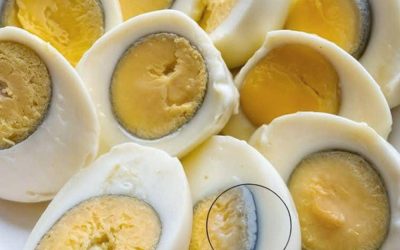
Why does a green ring appear around hard-boiled eggs?

Don't know anyone who enjoys cleaning a bathtub, but this new cleaning hack got me excited again

DANGER! The #1 Most Poisonous Vegetable (More Poisonous than Alcohol!) (Over 60s: AVOID IT!)

Slice the bottoms off empty plastic gallon milk jugs and 2 ordinary household cleaning items, and people can't believe the result.

High Creatinine Levels? Discover 4 Fruits You Can Eat at Night for Potential Kidney Health Support