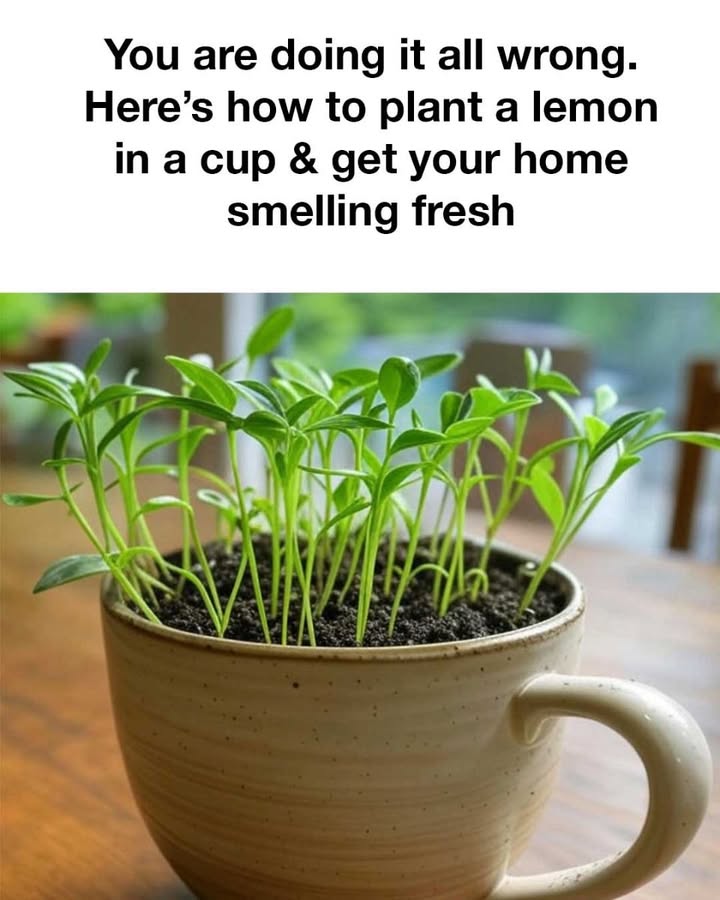
Have you ever walked into a room and been greeted by a fresh, citrusy aroma? Imagine having that invigorating scent in your home, naturally. Planting a lemon in a cup is not only a fun and rewarding project but also a way to bring a touch of nature indoors. This method is perfect for those with limited space or who want to try their hand at gardening without committing to a full-sized plant.
Plus, lemon plants are known for their delightful fragrance, which can help freshen up any room. In this article, we will guide you through the process of planting a lemon in a cup, ensuring you do it right and enjoy the benefits of a fresh-smelling home.
Step-by-Step Guide For Planting Lemon In Cup
Materials
A Fresh Lemon - Choose an organic lemon if possible, as non-organic seeds may be treated with chemicals that hinder germination.
A Small Cup or Mug - A 6-8 ounce cup (ceramic, plastic, or glass) works well. Make sure it has drainage holes at the bottom—if it doesn’t, you’ll need to create them.
Potting Soil - Use a well-draining mix, ideally one designed for citrus or a blend of peat moss, perlite, and compost.
Small Pebbles or Gravel - For drainage at the bottom of the cup.
A Knife or Spoon - To cut the lemon and scoop out seeds.
Water - Preferably filtered or rainwater, as tap water with chlorine can slow germination.
A Small Plate or Saucer - To catch excess water under the cup.
Plastic Wrap or a Clear Plastic Bag - To create a greenhouse effect for germination.
A Sunny Spot - A windowsill with at least 6 hours of sunlight daily is ideal.
Paper Towel - For cleaning and pre-soaking seeds.
Step-by-Step Instructions
Follow these detailed steps to plant your lemon seed and start growing your own citrus plant:
Step 1: Extract the Seeds
Cut your lemon in half carefully using a knife.
Gently scoop out the seeds with a spoon or your fingers. Look for plump, white seeds—these are the most viable. Avoid any that are shriveled or discolored.
Rinse the seeds under cool water to remove any clinging pulp or sugar, which can attract mold. Pat them dry with a paper towel.
Step 2: Pre-Soak the Seeds (Optional but Recommended)
Place the cleaned seeds in a small bowl of lukewarm water.
Let them soak for 24 hours. This softens the seed coat and boosts germination rates. Don’t leave them longer than 48 hours to avoid rot.
Step 3: Prepare the Cup
If your cup doesn’t have drainage holes, use a drill, nail, or sharp tool to poke 3-4 small holes in the bottom. This prevents water from pooling and rotting the roots.
Add a ½-inch layer of small pebbles or gravel to the bottom of the cup. This improves drainage and keeps the soil from clogging the holes.
Continua alla pagina successiva